
Explore
ONE TECHNOLOGY. MULTIPLE PATHWAYS TO VALUE.
DISA Tech™ delivers scalable solutions that enhance recovery, streamline operations, and transform legacy materials into productive assets—across mining, remediation, and beyond.
MINERAL PROCESSING
MINERAL PROCESSING
Advanced mechanical liberation that improves recovery, reduces cost, and integrates seamlessly into existing operations.

Unlock higher recovery—without increasing grind intensity.

Integrate advanced liberation into your existing circuit—no rebuild required.

Improve throughput, energy efficiency and payable metal output with a fully mechanical process.
HPSA IN ACTION
See how HPSA™ enhances liberation, improves recovery, and integrates seamlessly into an operating plant.
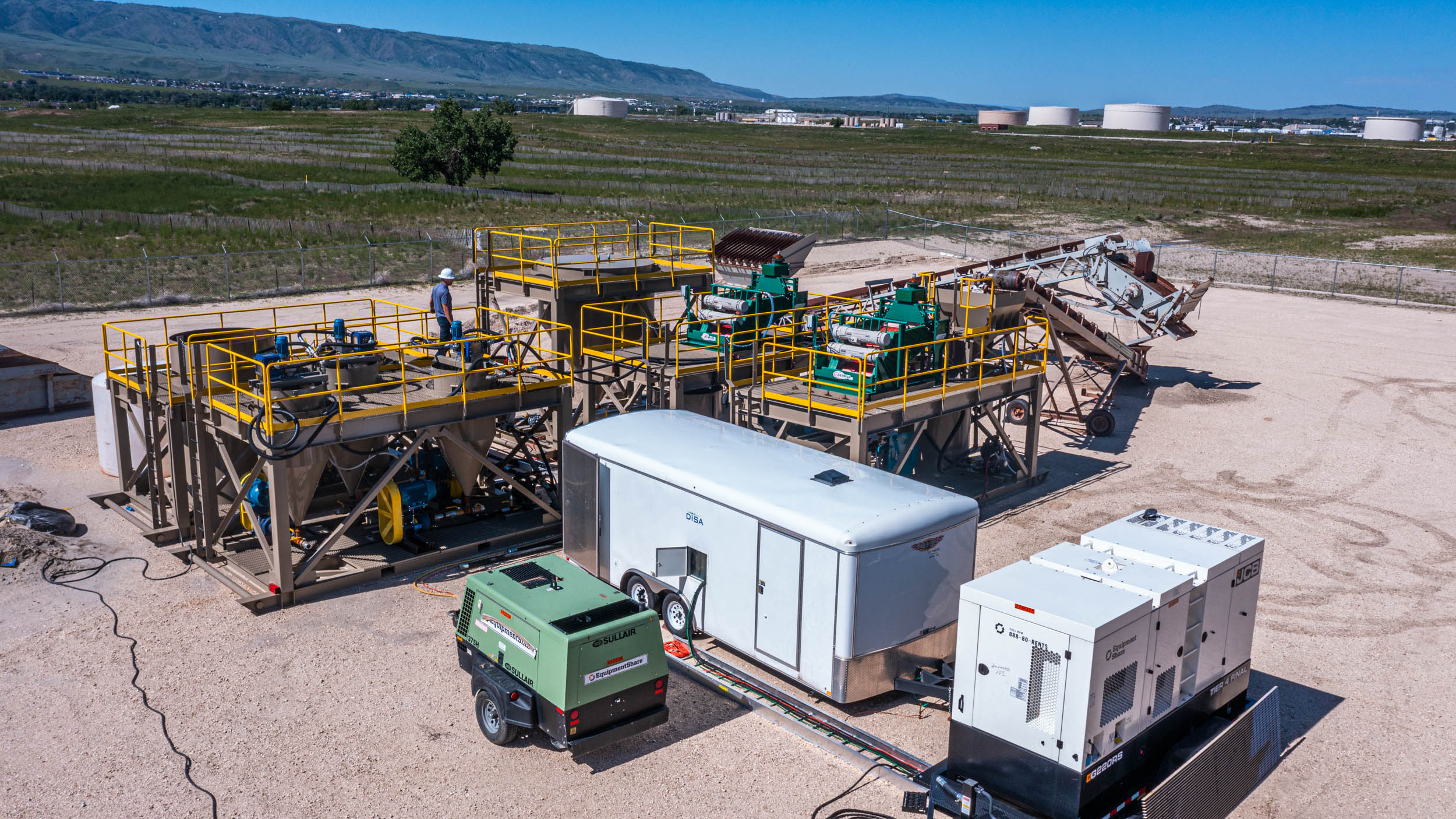
Every circuit is a balance of recovery, cost, and operational risk. HPSA® improves that balance.
DISA’s High-Pressure Slurry Ablation (HPSA) enhances selective liberation at coarser grind sizes—reducing overgrinding, lowering energy use, and improving downstream recovery. By targeting mineral boundaries instead of indiscriminately shrinking particles, HPSA increases concentrate grade while minimizing excess fines and reagent demand.
Measurable Impact
Increased recovery and payable metal output
Reduced energy intensity and wear costs
Greater flexibility with variable feed
Modular integration with minimal disruption
HPSA is skid-mounted and plug-and-play—installed in weeks, not months—allowing operators to validate performance without major capital rebuilds.
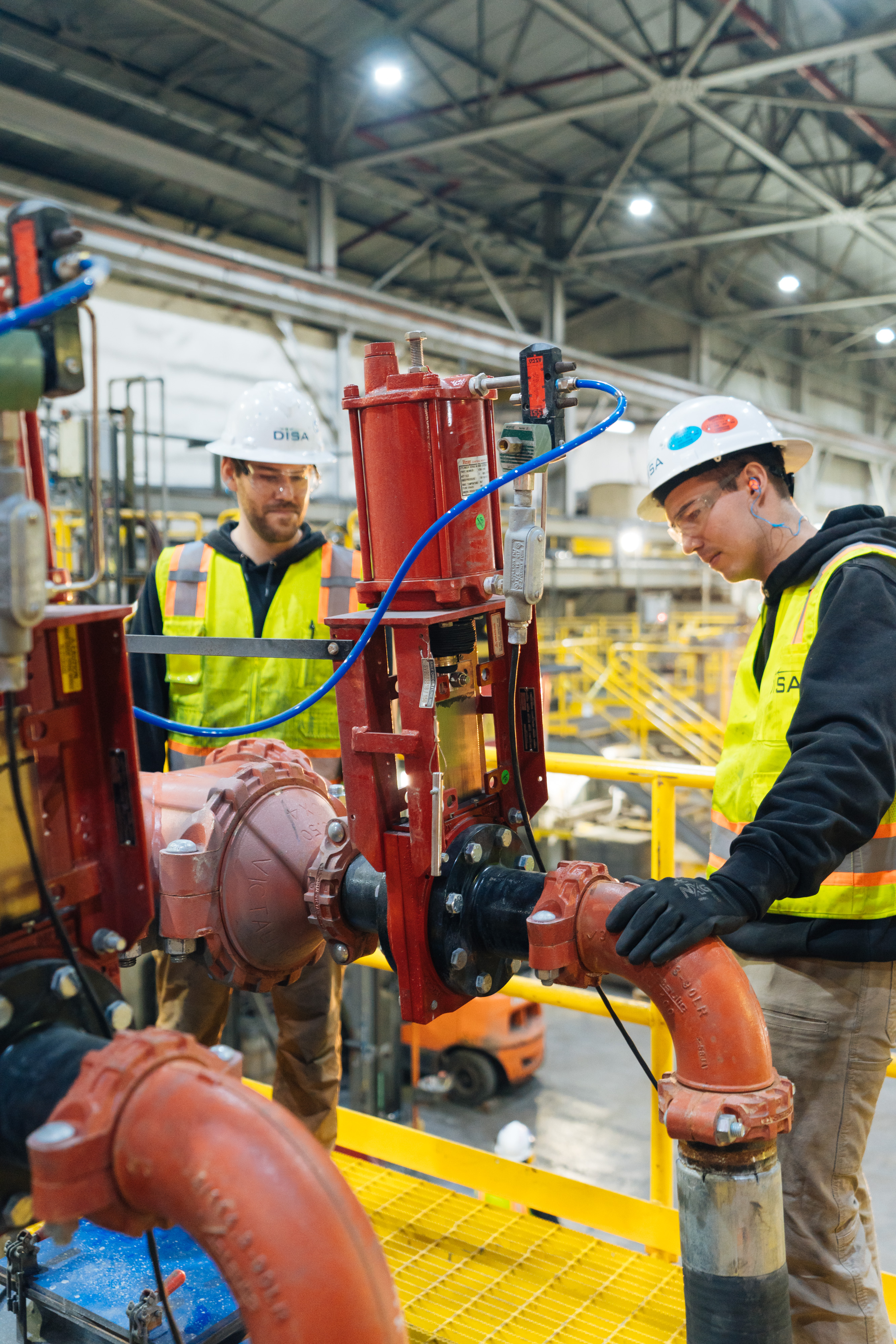
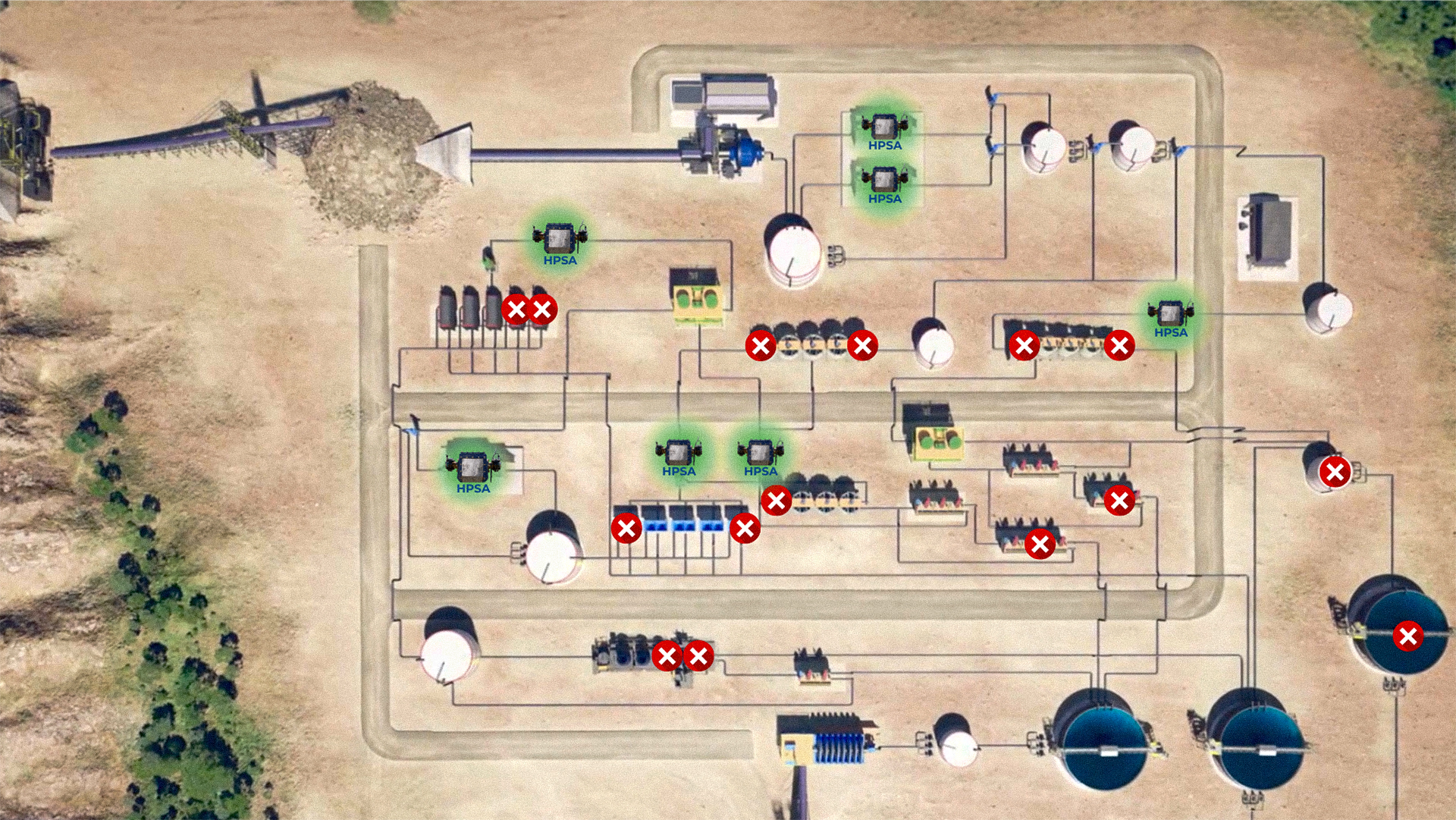
Seamless Circuit Integration
HPSA can be deployed:
Ahead of flotation to enhance liberation
As a lower-energy regrind alternative
In tailings retreatment applications
For complex or challenging ore bodies
Our team works directly with site engineers to evaluate placement, model uplift and quantify impact before deployment.
PERFORMANCE
DEMONSTRATED PERFORMANCE AT COMMERCIAL & PILOT SCALE
Across more than 150 ore campaigns and commercial installations, HPSA has delivered measurable improvements in grade, recovery, and operating efficiency across multiple mineral systems.
Recovery Improvements
+2% to +44% recovery gains demonstrated across sulfides, industrial minerals, and tailings systems.
Grade Enhancement
Up to +25% improvement in concentrate grade at coarser grind sizes.
Energy Intensity
3–10 kWh per ton operating range, with no grinding media.
Wear Cost
<$2 per ton in wear components.
System Uptime
95% operational availability with integrated bypass capability.
Recovery Improvements
+2% to +44% recovery gains demonstrated across sulfides, industrial minerals, and tailings systems.
Grade Enhancement
Up to +25% improvement in concentrate grade at coarser grind sizes.
Energy Intensity
3–10 kWh per ton operating range, with no grinding media.
Wear Cost
<$2 per ton in wear components.
System Uptime
95% operational availability with integrated bypass capability.
DEMONSTRATED ACROSS COMMODITIES
Results shown are derived from pilot and commercial testing across more than 150 ore campaigns.
REMEDIATION & RECOVERY
RESTORING LEGACY SITES.
RECOVERING STRATEGIC MATERIALS
Abandoned uranium mine (AUM) waste represents both an environmental liability and a strategic opportunity.
DISA’s High-Pressure Slurry Ablation (HPSA) delivers a field-deployable, fully mechanical solution that reduces contamination while recovering uranium already mined and above ground.
Reduce contamination and stabilize legacy waste.
Strengthen American energy security without new ground disturbance.
Recover usable domestic feedstock.
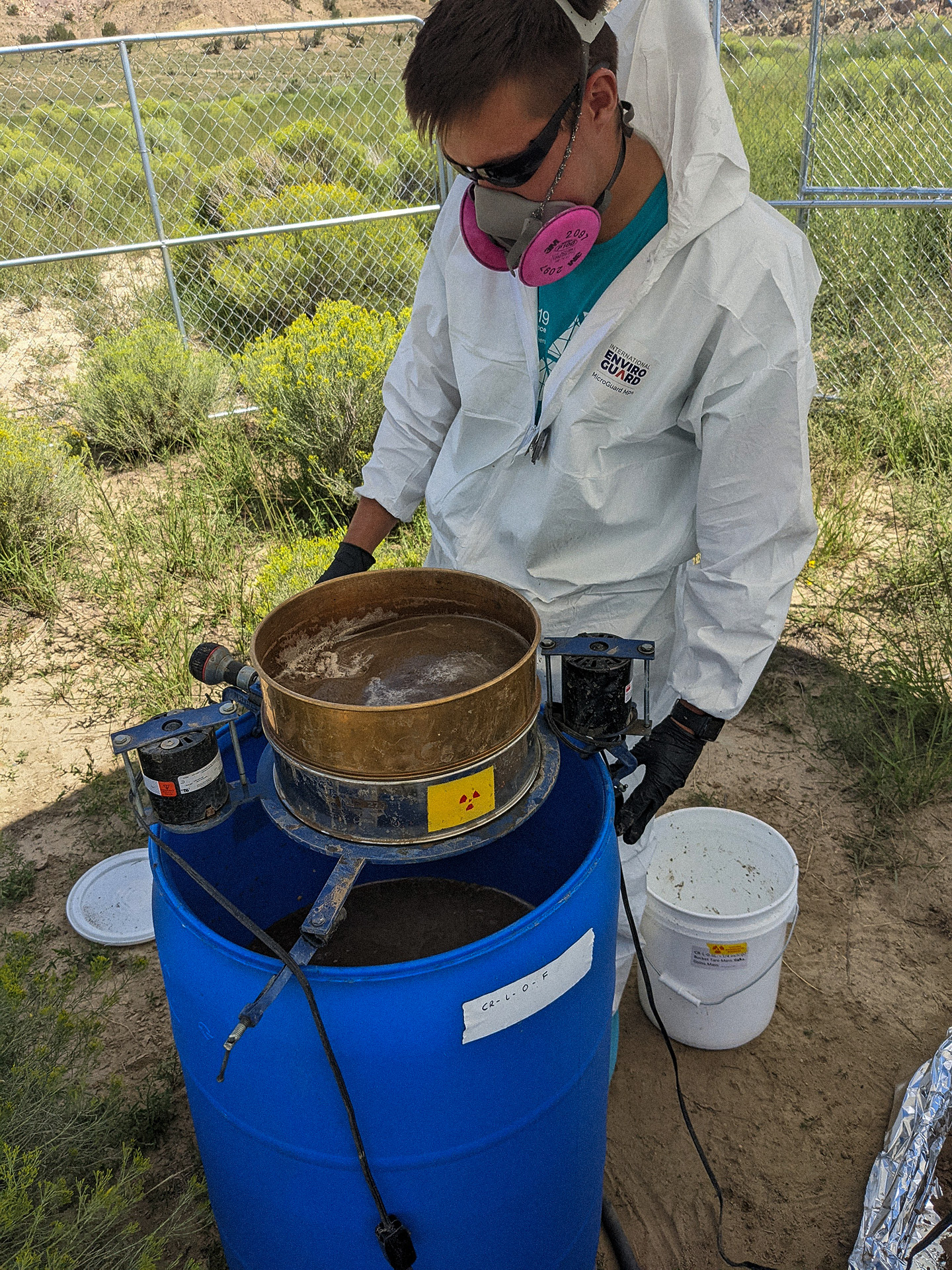
HPSA provides a mechanical pathway to remediate these materials while recovering uranium suitable for reintroduction into the domestic nuclear fuel cycle. Unlike chemical-intensive approaches, HPSA relies on selective mechanical liberation—eliminating leachability while preserving recoverable value.
Environmental remediation and strategic material recovery occur simultaneously.
PERFORMANCE
VALIDATED REMEDIATION & RESOURCE RECOVERY PERFORMANCE
Results derived from a U.S. EPA treatability study and third-party laboratory verification
Uranium Reduction
Up to 98% reduction in uranium concentrations
Significant removal of uranium from coarse material fractions
Uranium Reduction
Up to 98% reduction in uranium concentrations
Significant removal of uranium from coarse material fractions
Radium-226 Reduction
Up to 94% reduction in Ra-226 concentrations
Reduced radiological risk profile in treated material
Radium-226 Reduction
Up to 94% reduction in Ra-226 concentrations
Reduced radiological risk profile in treated material
Waste Volume Reduction
More than 80% reduction in material requiring offsite disposal
Majority of treated coarse material remains onsite
Waste Volume Reduction
More than 80% reduction in material requiring offsite disposal
Majority of treated coarse material remains onsite
Cost Comparison
Estimated to significantly lower costs versus full hauling off-site & disposal
Reduced transportation, handling, and disposal burden
Cost Comparison
Estimated to significantly lower costs versus full hauling off-site & disposalction in material requiring offsite disposal
Reduced transportation, handling, and disposal burden
Uranium Recovery Integration
Separates uranium-bearing material into a recoverable fraction during remediation
Supports domestic fuel supply while reducing environmental footprint
Uranium Recovery Integration
Separates uranium-bearing material into a recoverable fraction during remediation
Supports domestic fuel supply while reducing environmental footprint
Navajo Nation Partnership
Remediation in Partnership. Verification at Scale.
DISA has worked in collaboration with the Navajo Nation and the Navajo Nation EPA to advance a measurable, field-deployable remediation pathway. From EPA-supervised treatability testing to a commercial-scale verification study slated for 2026, this work has been guided by transparency and local decision-making.
Phase II Commercial-Scale Verification (2026)
Building on Phase I results, DISA and the Navajo Nation are commencing a Phase II Commercial-Scale Verification Study at the Old Church Rock Mine site to:
— Demonstrate commercial-scale capability
— Validate continuous real-world operations
— Confirm environmental performance at scale
— Eliminate leachability and reduce waste volume
— Restore land for safe use
THE SCOPE OF THE CHALLENGE
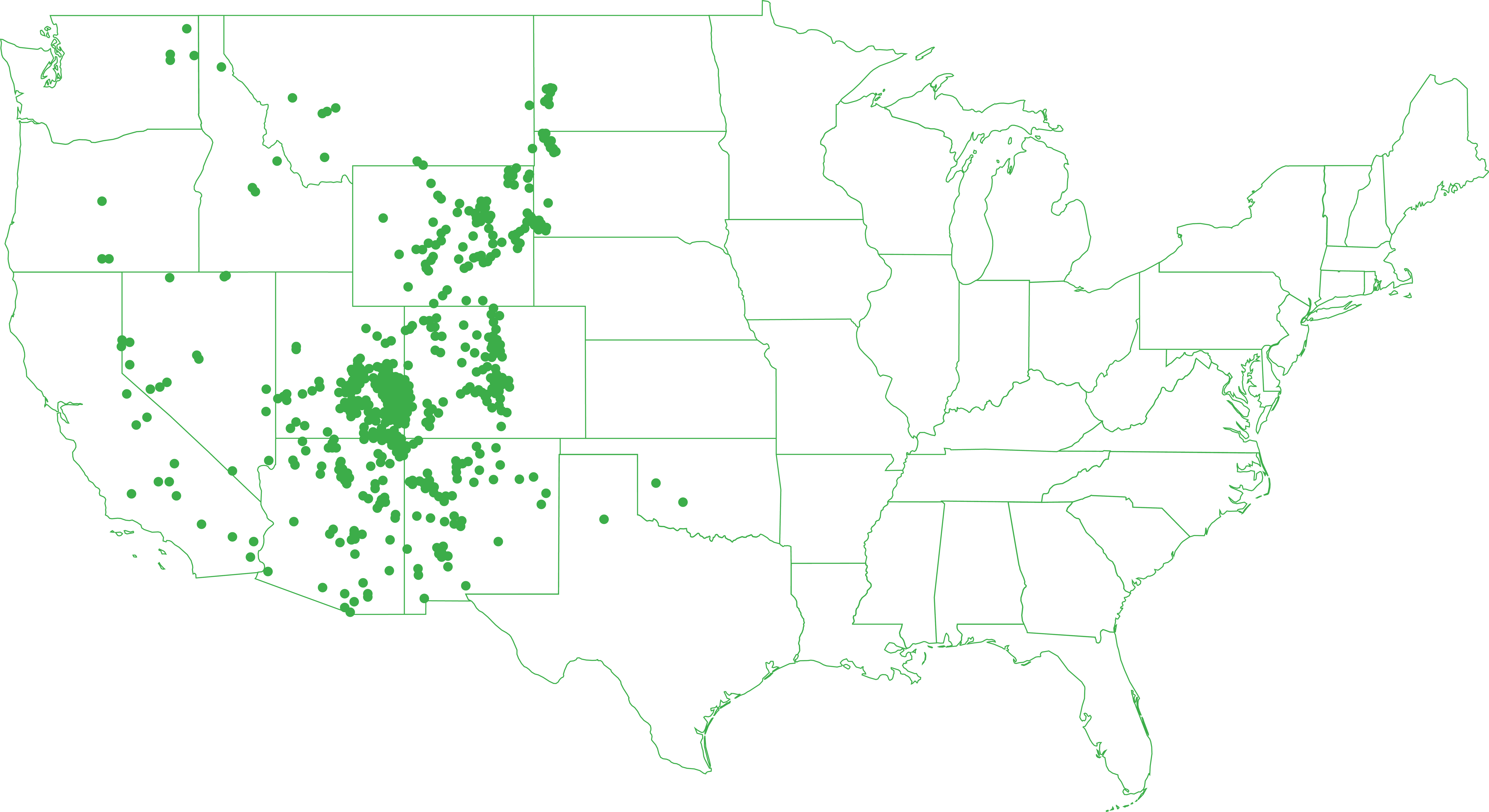
Thousands of legacy uranium sites remain across the Western United States. HPSA is designed to deploy at scale—bringing a repeatable mechanical solution to waste sites across federal, tribal, and state lands.
TAILINGS
RECOVER VALUE. IMPROVE STABILITY. REDUCE WASTE.
Tailings often contain recoverable value due to incomplete liberation in legacy circuits. HPSA provides a modular, mechanical pathway to unlock that value—without overgrinding or major infrastructure changes.
HPSA for Tailings
— Selective mechanical liberation to unlock residual mineral value
— Improved grade and recovery without excessive fines generation
— Lower energy and wear than conventional regrind systems
— Direct integration into existing tailings streams
— Skid-mounted, modular deployment with minimal site modification
Evaluate reprocessing potential quickly, with limited capital exposure and measurable performance validation.
In partnership with Regeneration and ElementUSA, HPSA is applied to reprocess tailings and unlock residual value.


TESTING & VALIDATION
FROM BENCH SCALE TO COMMERCIAL DEPLOYMENT
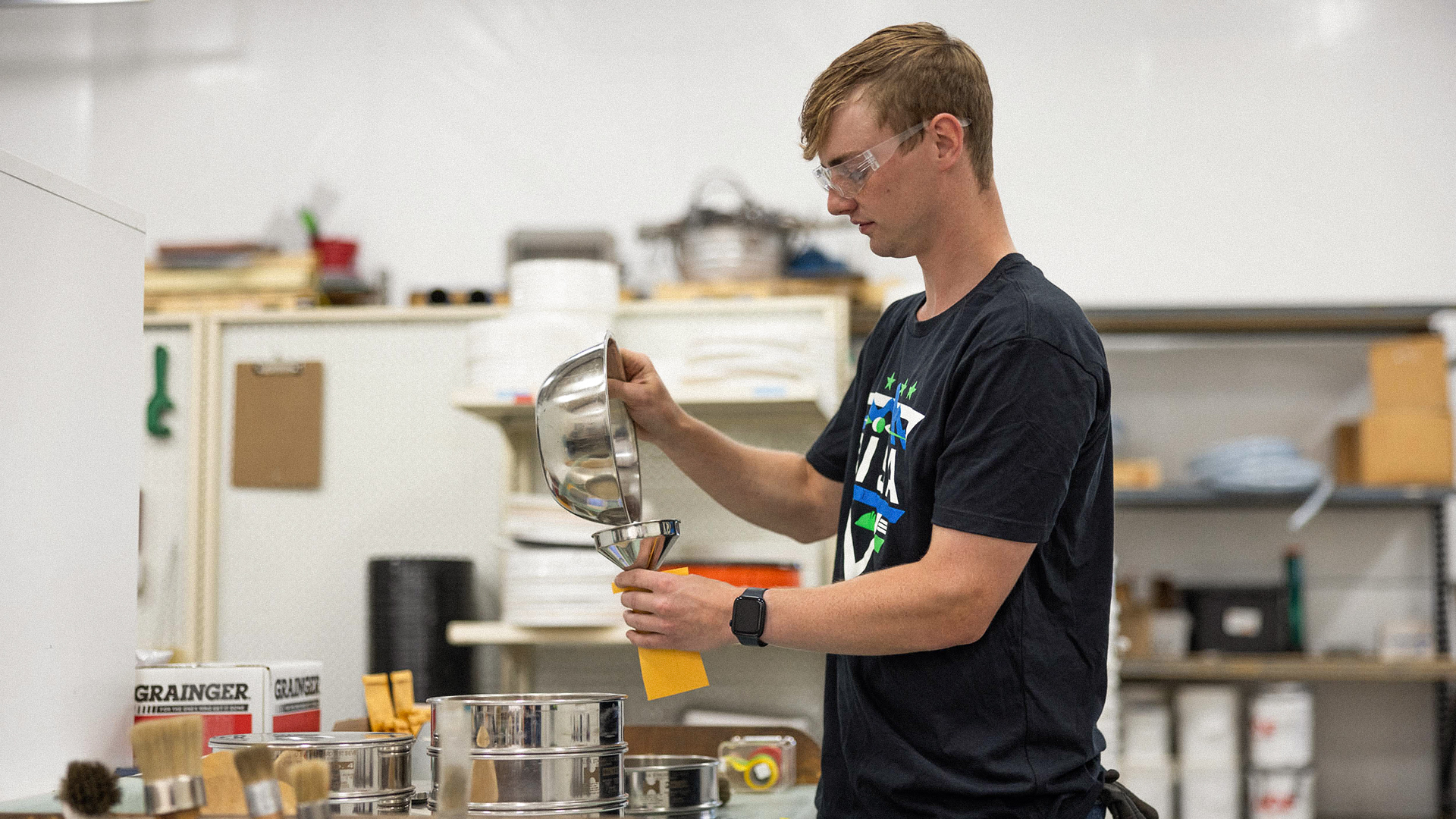
Every site is different. Every ore body behaves differently. Every remediation project carries unique constraints. DISA maintains comprehensive in-house testing and analytical capabilities to evaluate material characteristics, optimize HPSA deployment, and quantify performance improvements before field integration.

We do not guess. We measure.
Sample Blending
& Splitting
Drying
Crushing
Pulverizing
Particle Size Distribution Analysis
Sieving
Ball & Rod Milling
Bond Work Index (BWi)
Additional Testing
& Analysis
Pyrometallurgy & Hydrometallurgy
Sands Analysis
Atterberg's Limits
Specific Gravity
Elemental Analysis- XRF, FAA, CVAA, ICP-OES, Radiochemical
Mineralogical Analysis- XRD, QEMSCAN, MLA/AMICS by SEM, Optical Microscopy
Physical Beneficiation & Liberation
Froth Flotation
Gravity Liberation
Magnetic/ Electrostatic Liberation
Solid/ Liquid Liberation
High-Pressure Slurry Ablation
Attrition Scrubbing