EXPLORE
Our Patented Technology
High-Pressure Slurry Ablation (HPSA™) is a patented, modular mineral liberation platform that uses high-velocity slurry collisions to selectively separate target minerals from host material. Operating without grinding media or chemical reagents, HPSA improves recovery, reduces energy intensity, and unlocks value across both active mineral circuits and legacy mine waste remediation.
Mineral Processing
BUILT FOR COMPLEX ORES AND MODERN CIRCUITS.
HPSA integrates at multiple points across the mineral processing flowsheet—from upstream liberation to midstream regrind and downstream tailings retreatment. Engineered for flexibility, the platform adapts to a wide range of ore types, particle sizes, and process conditions.
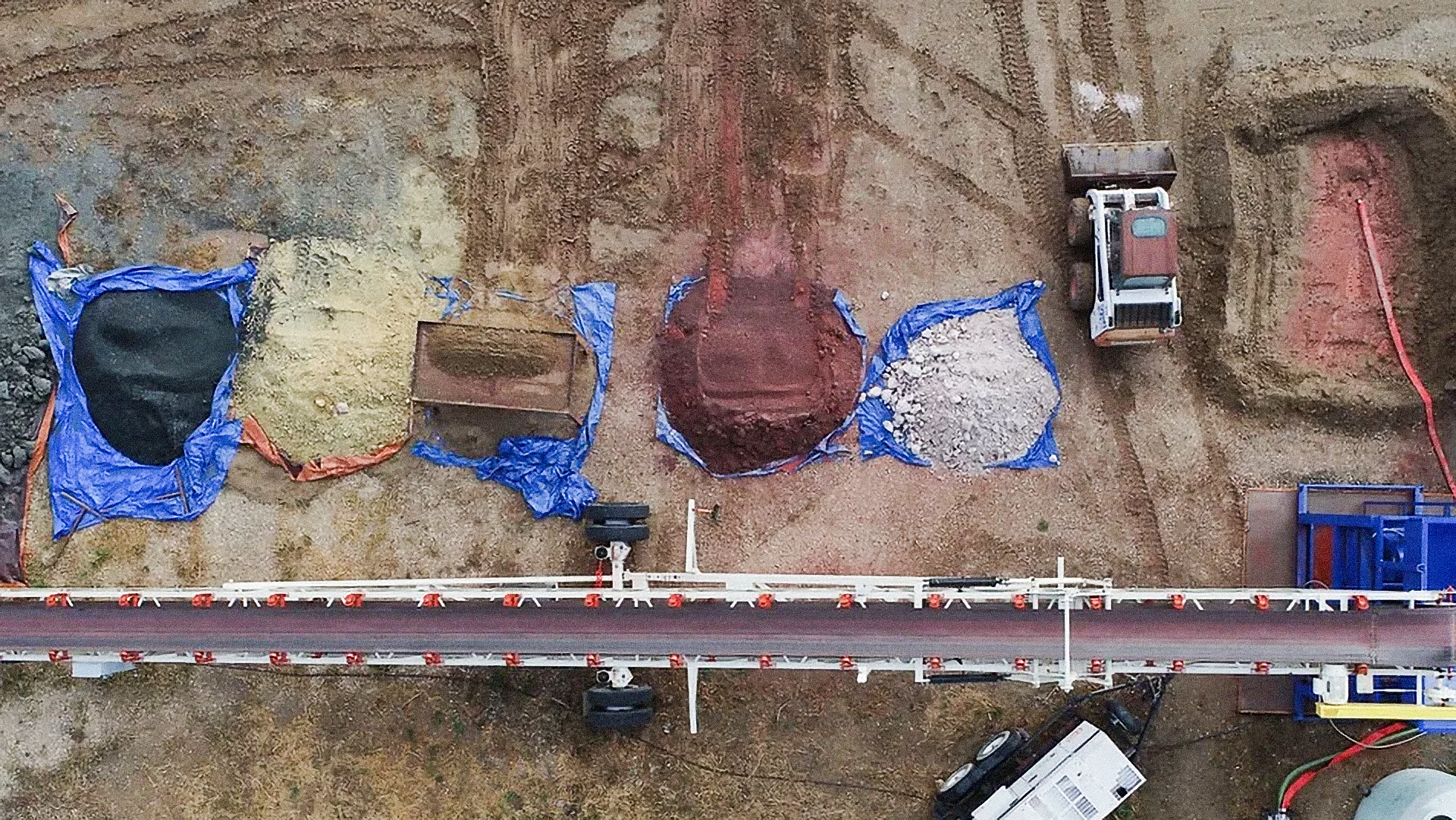
Proven Across a Wide Range of Mineral Systems
Base & Polymetallic Ores
Copper · Nickel · Zinc · Lead · Molybdenum · Silver
Precious Metals
Gold · Silver · PGM
Battery & Critical Minerals
Lithium · Graphite · Rare Earth Elements (REEs)
Bulk & Industrial Minerals
Iron Ore · Phosphate · Potash · Fluorspar · Chromite · Mineral Sands · Filter Sand
HPSA has been tested across 150+ ore campaigns, demonstrating versatility across a broad range of mineral systems and processing conditions.
HOW IT WORKS
ENGINEERED FOR SELECTIVE LIBERATION
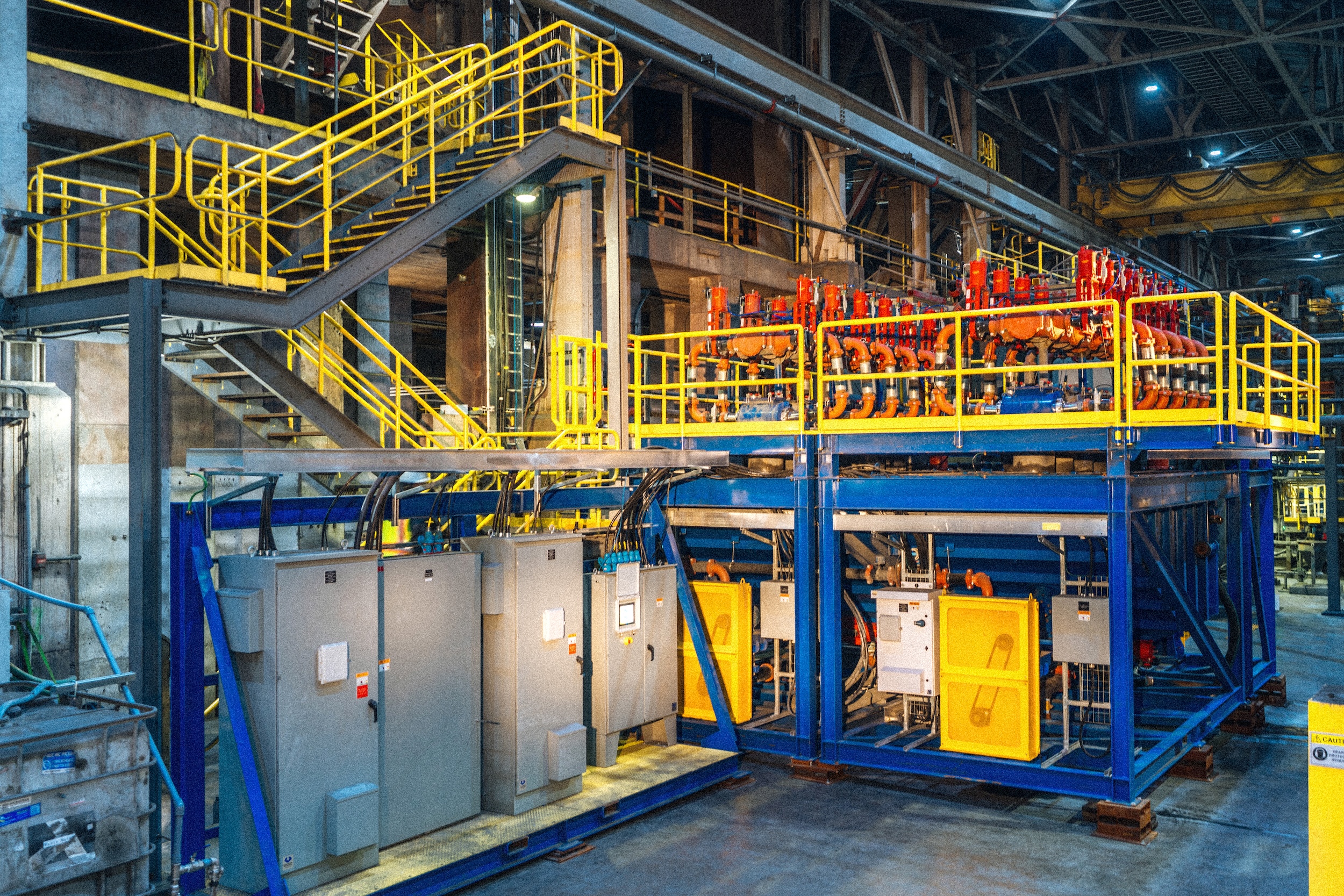
HPSA replaces indiscriminate grinding with controlled, mechanical particle-to-particle collisions—liberating target minerals efficiently while preserving circuit performance.
From Feed to Liberation



100% Mechanical Process
HPSA operates without grinding media or chemical reagents, using controlled high-pressure slurry collisions to drive mineral liberation.

Coarser Grind Liberation
Liberates target minerals at larger particle sizes, reducing overgrinding and minimizing the generation of fines and slimes.

Hardness-Driven Selective Breakage
Fractures material along Mohs hardness differentials and natural grain boundaries, enabling preferential liberation of valuable minerals from gangue.

Cleaner Size Distribution
Produces a more controlled particle size profile, improving downstream liberation efficiency and concentrate quality.

Flowsheet Compatible
Integrates seamlessly with flotation, leaching, sizing, magnetic liberation, and gravity circuits—either replacing or supplementing legacy grinding stages.
THE RESULTS
MEASURABLE IMPACT

Energy
& Wear Efficiency
Operates at 3–10 kWh per ton with wear costs below $2 per ton—reducing energy intensity and consumable exposure relative to conventional grinding systems.

Recovery
& Revenue Performance
Selective liberation at coarser grind sizes improves downstream recovery and concentrate grade—directly increasing payable metal output while reducing reagent demand and excess processing stages.

Rapid
Integration
Skid-mounted, modular units are engineered for installation in weeks rather than months, minimizing circuit disruption and accelerating time to value.

Engineered for
Continuous Operation
Delivers >95% availability, meeting or exceeding typical mill circuits.
AUM REMEDIATION
ABANDONED URANIUM MINE (AUM) REMEDIATION, REIMAGINED.
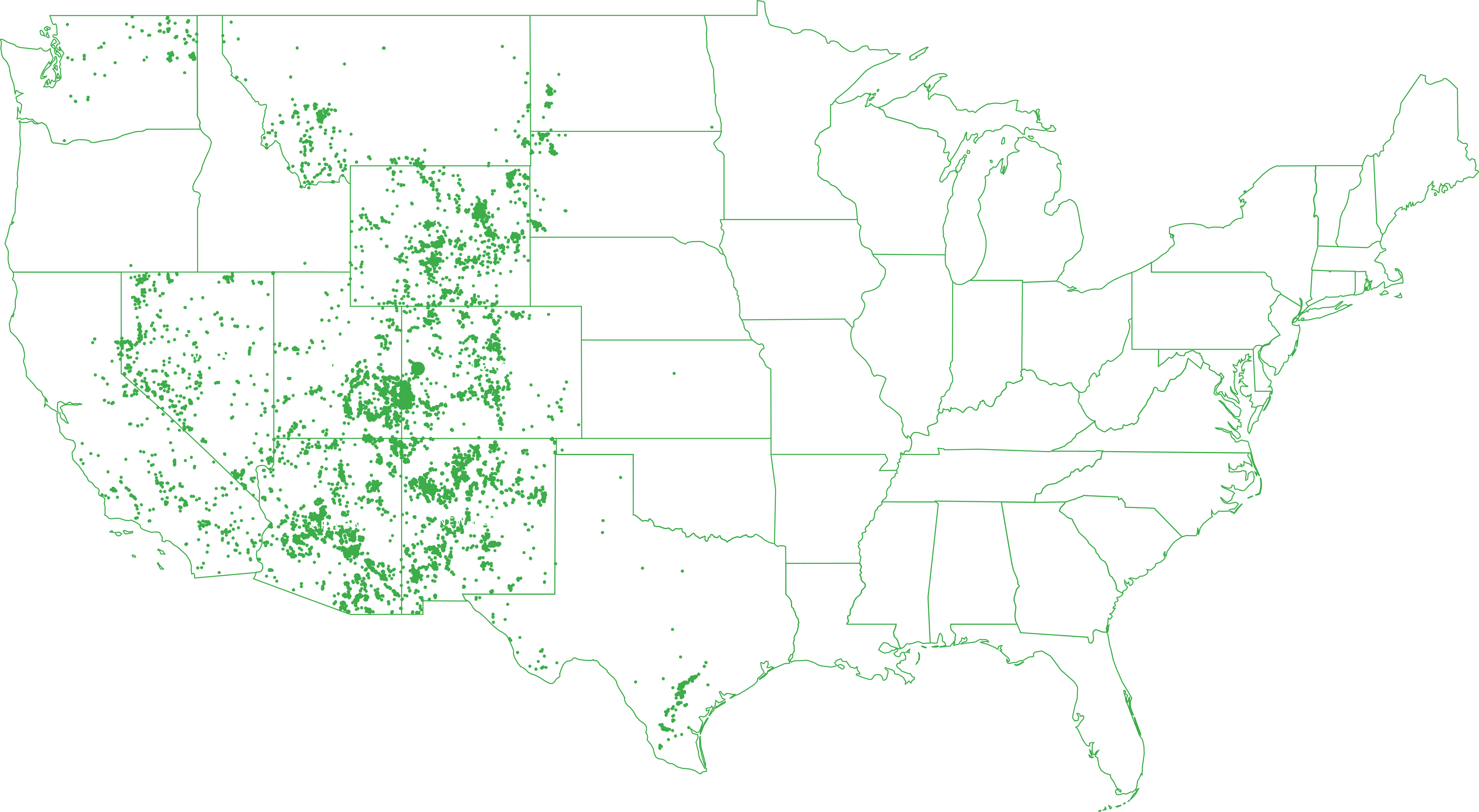
Thousands of Abandoned Uranium Mine (AUM) sites remain across the American West—many on federal and tribal lands—where uranium-bearing material still sits on the surface decades after production ended.
Conventional remediation typically means hauling material away or capping it in place. These approaches contain or relocate risk, but rarely reduce it.
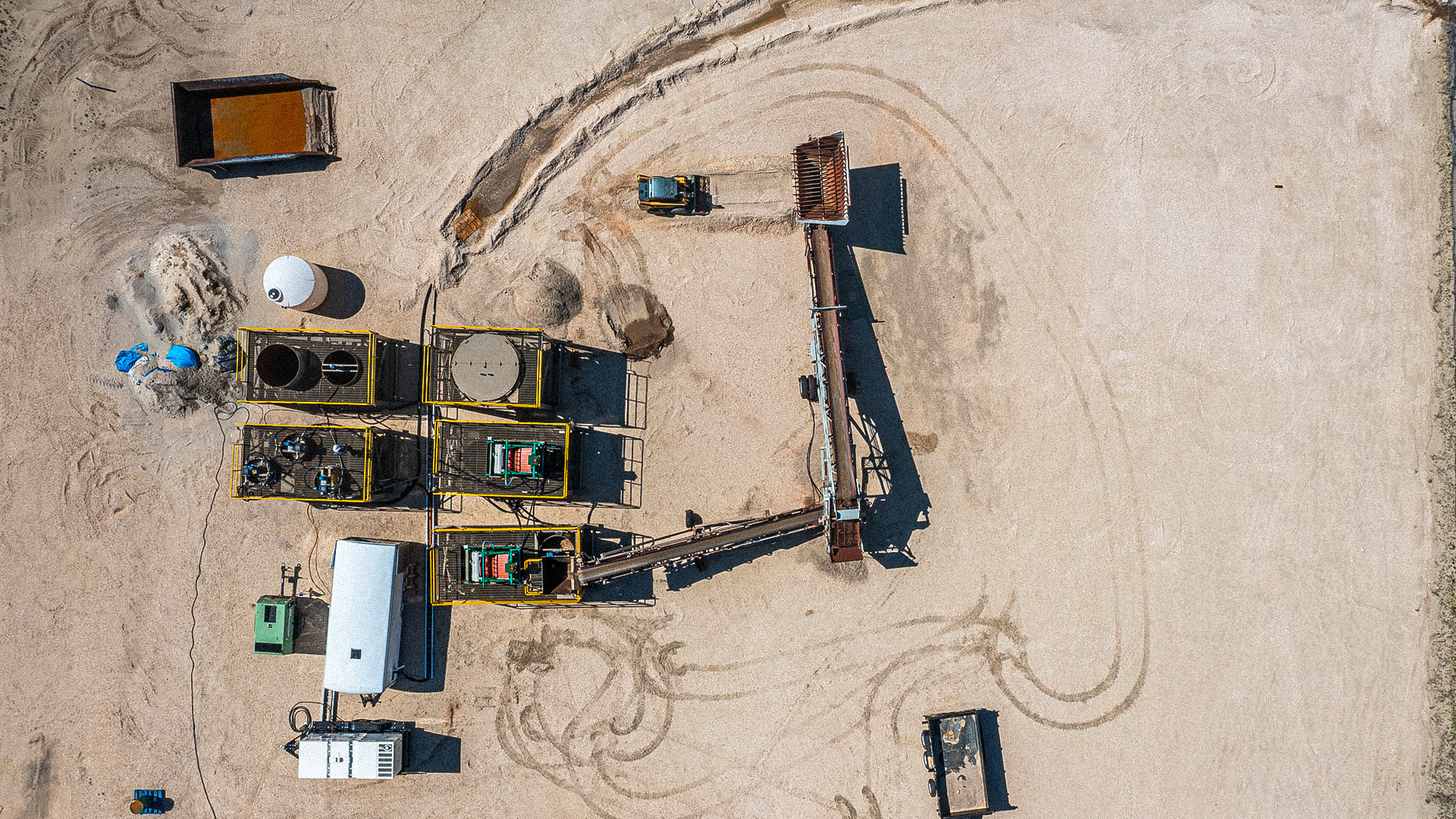
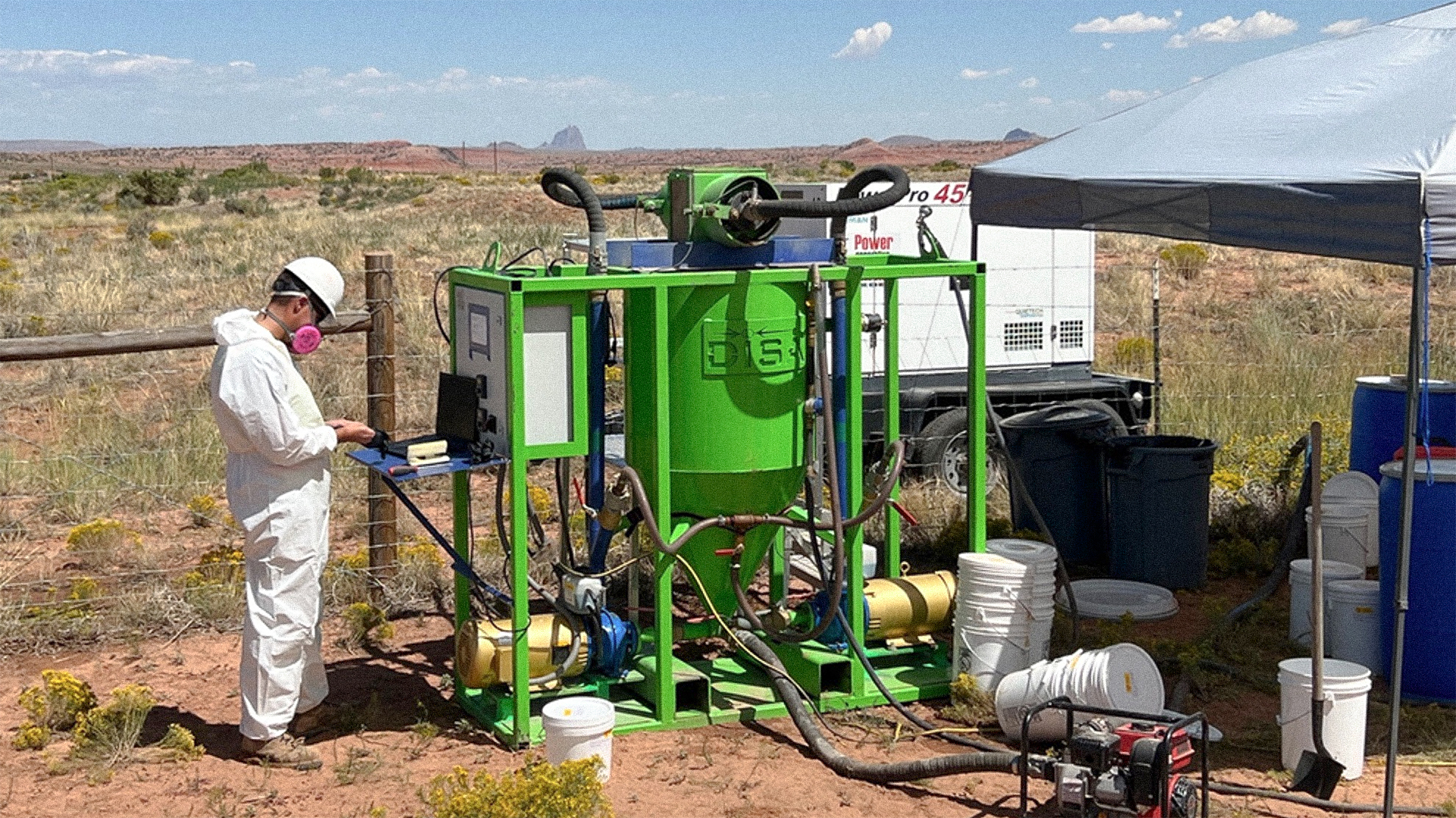
HPSA enables a different solution:
Mechanically reduce contamination and eliminate leachability
Stabilize legacy material in place
Recover usable uranium already mined and above ground
Avoid new ground disturbance
Modern remediation can both reduce long-term environmental risk and strengthen domestic uranium supply—transforming legacy liabilities into strategic assets.
HOW IT WORKS
ENGINEERED FOR INTEGRATED REMEDIATION & URANIUM RECOVERY
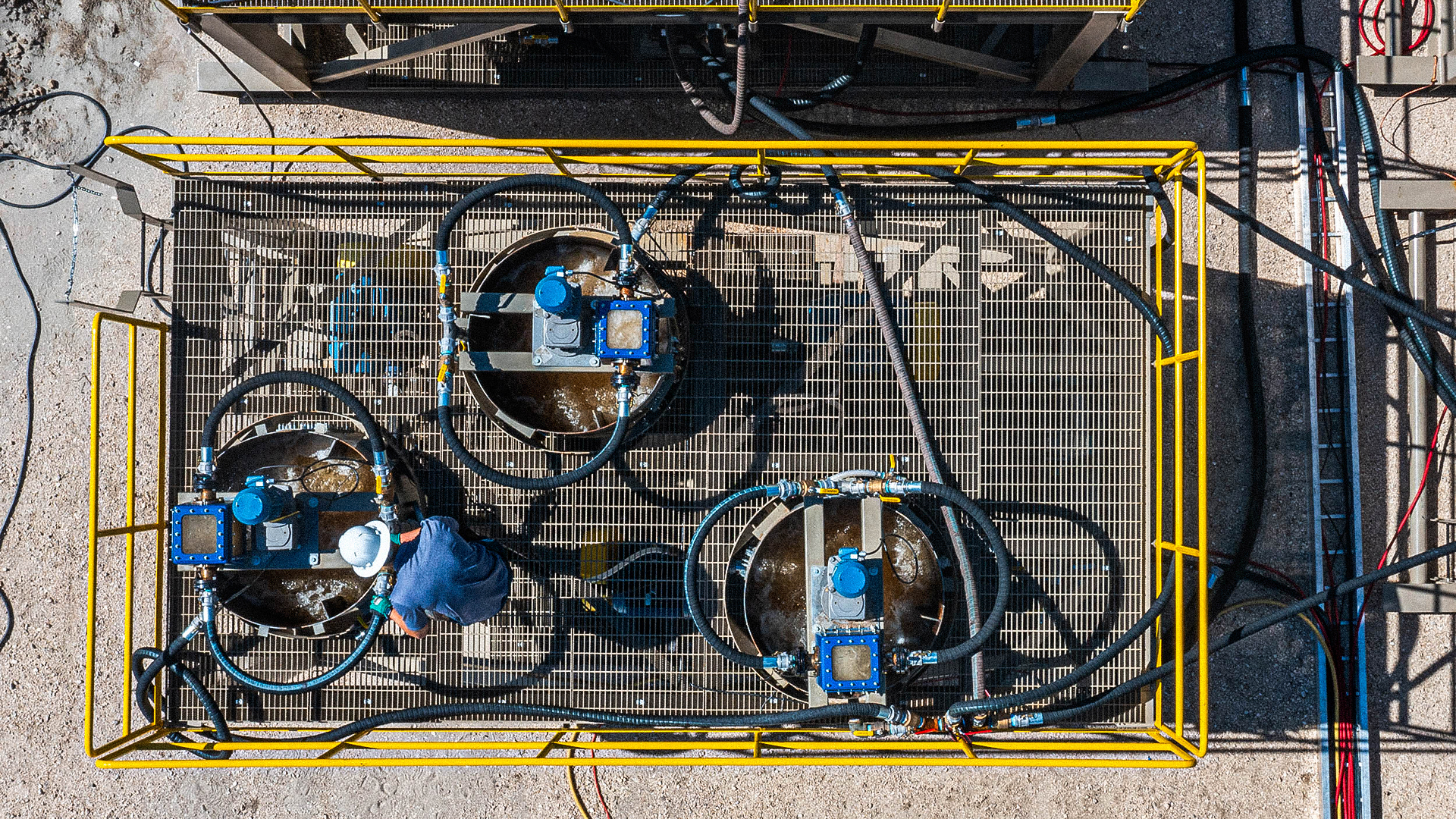
HPSA replaces large scale excavation, hauling or long-term containment with controlled, mechanical particle-to-particle collisions, separating uranium-bearing material while reducing overall waste volume.
From Legacy Waste to Remediated Site


100 % Mechanical Process
Operates without grinding media or chemical reagents, using controlled high-pressure slurry collisions to separate uranium and associated contaminants.

Selective Liberation at Coarser Sizes
Removes uranium-bearing coatings without fully size-reducing all material, preserving clean coarse fractions for onsite stabilization.

Hardness-Driven Breakage
Targets contaminant liberation based on Mohs hardness contrasts and natural grain boundaries.

Significant Waste Volume Reduction
Concentrates contaminated fines into a smaller fraction, reducing material requiring offsite transport or long-term containment.

Integrated Remediation and Recovery
Recovered uranium can be responsibly routed into the domestic fuel cycle, integrating environmental cleanup with strategic supply resilience.
IMPACT
FIELD VALIDATED. FEDERALLY LICENSED
HPSA has been validated through a U.S. EPA treatability study and independently verified through third-party laboratory analysis. The platform is licensed under an NRC Service Provider License (Source Materials License No. SUA-1605) for application at AUM sites

Federal Validation
Demonstrated uranium and Ra-226 reduction in a EPA-sponsored study across multiple AUM sites.

Independent Observation
Testing observed and audited by external technical reviewers, with laboratory verification of results.

Licensed for Deployment
Approved under the first NRC Service Provider License, enabling responsible remediation and uranium recovery at applicable sites.

Applicable at Scale
Relevant to thousands of AUM sites across the American West, including more than 4,200 Defense-Related Uranium Mine (DRUM) sites.